The Sustainability Question
Insights on how Change-centric Journalism could fix the revenue crisis
Published: 23 November 2025
Hola! This is the second edition of Change Journalism’s newsletter. I meant to release it weeks ago, but I’ve been catching my breath — mostly for good reasons. I hope I make up for the silence in the following paragraphs.
In this edition, and over the next few, I’ll do two things. First, I will update you with latest developments around the framework I built during my Reuters fellowship. But mostly, I’ll unpack some of the questions that have come up during the meetups I've held.
(I tried putting out a survey in the first newsletter to learn what you’d like to read, but it didn’t quite work. So, I’ve decided to go with the approach I just mentioned and see where it takes us!)
The question I’ll start to tackle is one that comes up in almost every meetup: how can a change-centric approach to journalism be sustainable? What’s the business case for it?
A quick caveat: I won’t offer a definitive formula. Change Journalism is, first and foremost, a large aspiration. The groundwork is there, but the content-centric model remains the default mindset that governs our practice. There’s much to be done before we can have solid answers, but it's definitely worth exploring the possibilities.
The latest with Change-centric Journalism
Thank you to the 105 media practitioners who have subscribed to changejournalism.com. I’m delighted to welcome colleagues from ProPublica, Factchequeado, Chicago Public Media, La Nación (AR), The New Humanitarian, Deutsche Welle, Agencia Mural, WAN-IFRA, and Internews, to name a few.
The feedback has been steady and deeply reassuring. I’ve heard from people in legacy outlets and not-for-profit news organizations alike who have found the framework useful. A couple of examples: a colleague from Canada’s The Globe and Mail reached out to say that the proposal has been refreshing and inspiring. The founder of BehanBox, a woman-led organization that platforms local and women journalists in India, shared that they are beginning to align their stories with the principles of a change-driven approach.
I’m also excited to share a couple of major milestones. Two media support organizations are stepping up their efforts to help journalism stand out for the quality of change it facilitates, and I’m thrilled to be collaborating with them.
The Pulitzer Center is refining and expanding its approach to engagement and impact. I’ve long admired the Center’s work, especially how its leadership has consistently sought value beyond the headlines, connecting supported journalism with sectors like education. Now, Chief of Impact Flora Pereira is taking this work further, and I’m deeply grateful she’s trusted me to join her efforts. Check out the announcement of an Impact Initiative Call for past and current Pulitzer grantees. It’s the first of some great opportunities to come in the months ahead.
With Syli, I’ll be leading a masterclass module for their brand-new fellowship program The Impact Lab, which they describe as a “transdisciplinary initiative that moves journalism from storytelling to story-living through a new hybrid impact role”. I told Dr. Carmen Nicoara and Shereen Daver that I wished I were one of their journalist impact fellows. The curriculum of the fellowship is top-class.
I wanted to highlight these milestones as signs of momentum. There is growing support for testing beyond the content-centric model. The case for demonstrable social value has never been more urgent, and these initiatives are big and encouraging steps in that direction.
Change and Sustainability: Can it work?
Amid the positive and encouraging feedback, colleagues have asked me how a change-centric approach to journalism can alleviate the sustainability crisis. The simplest answer may not surprise you: journalism can find greater support when it becomes profoundly useful to people.
If journalism fills a knowledge gap, connects people around shared concerns, or creates spaces for transformative action, it generates tangible value. That’s where potential revenue can emerge as recognition for journalism’s contribution to improving daily life. People — from funders and investors to readers, members and subscribers — need to see the result of our interventions in the world, and ideally, live them.
Let me share a recent experiment we ran at El Surtidor recently, because it tested this idea and showed promising results.
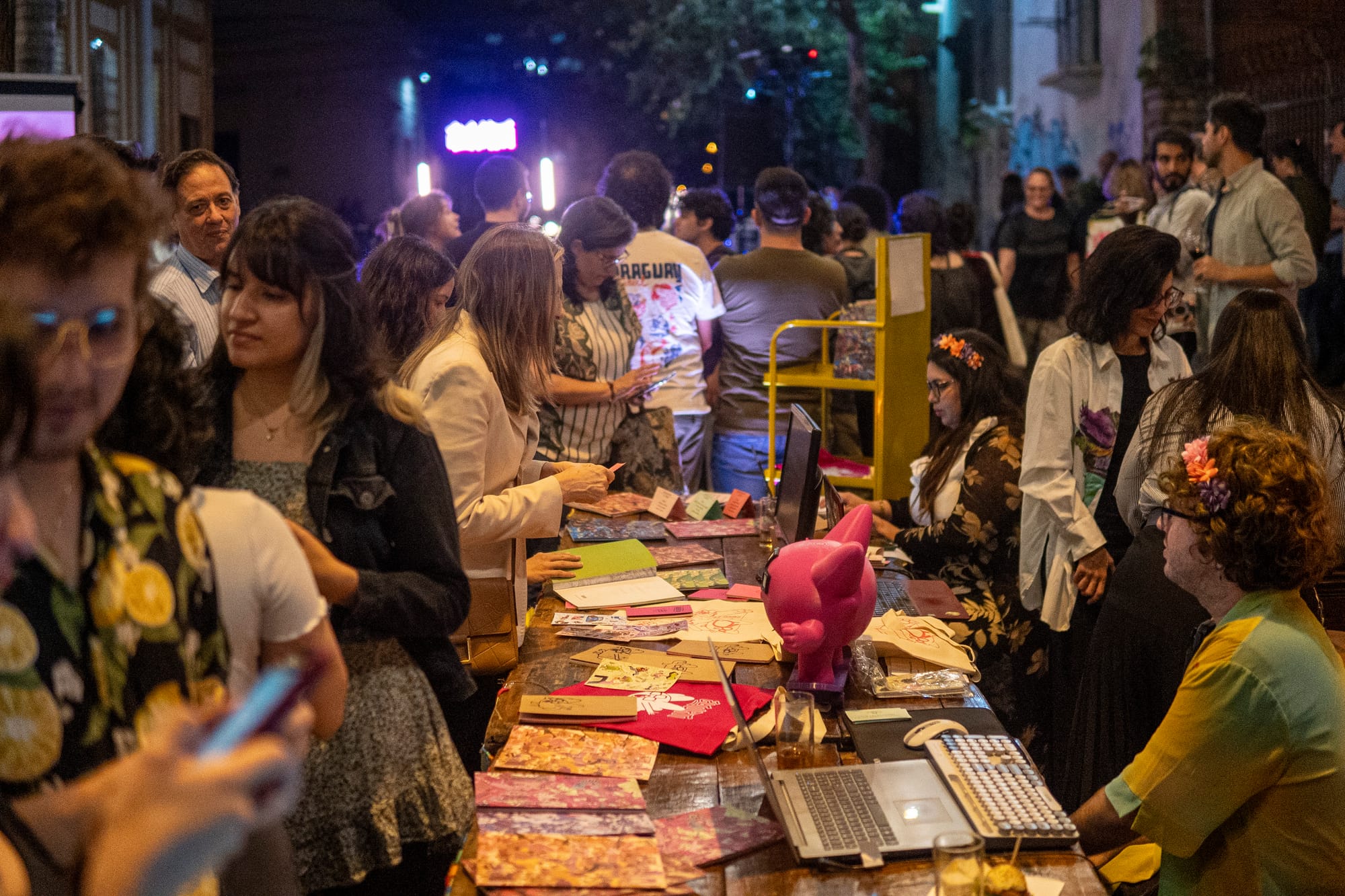
Earlier this year, we launched a subscription program. For less than USD 10 a month, people could access a print magazine with a collectible graphic cover and an in-depth report. After five editions and a new editorial workflow that ensured we could deliver consistently, we began carefully ramping up our selling efforts. Our first goal was simple: reach enough subscribers to cover printing and distribution costs.
The question has been how to do it in a manageable way. We didn’t want to overwhelm a small distribution team with an aggressive marketing campaign. Since we cannot even rely on the postal service, we have had to design our own delivery service and deal with formidable challenges, like streets with no names. Yet we needed to grow subscriptions to advance our strategic goal: reducing dependence on grants and increasing direct audience support to 30–40 percent of our total budget by 2027.
Our breakthrough came with the spring edition focused on the alarming loss of tree cover in Paraguay’s capital. For a bit of context, in the past five years, Asunción has seen a drastic reduction in its urban greenery, coinciding with a surge in the construction of petrol stations, a result of collusion between oil companies and state authorities. The country has the most fuel stations per capita in Latin America. In the capital, petrol stations outnumber public squares and parks, as revealed in one of our investigations. For one of the hottest cities in the region, where summer temperatures often exceed 40 °C, the loss of shade is not an abstract concern, it affects people in their daily errands.
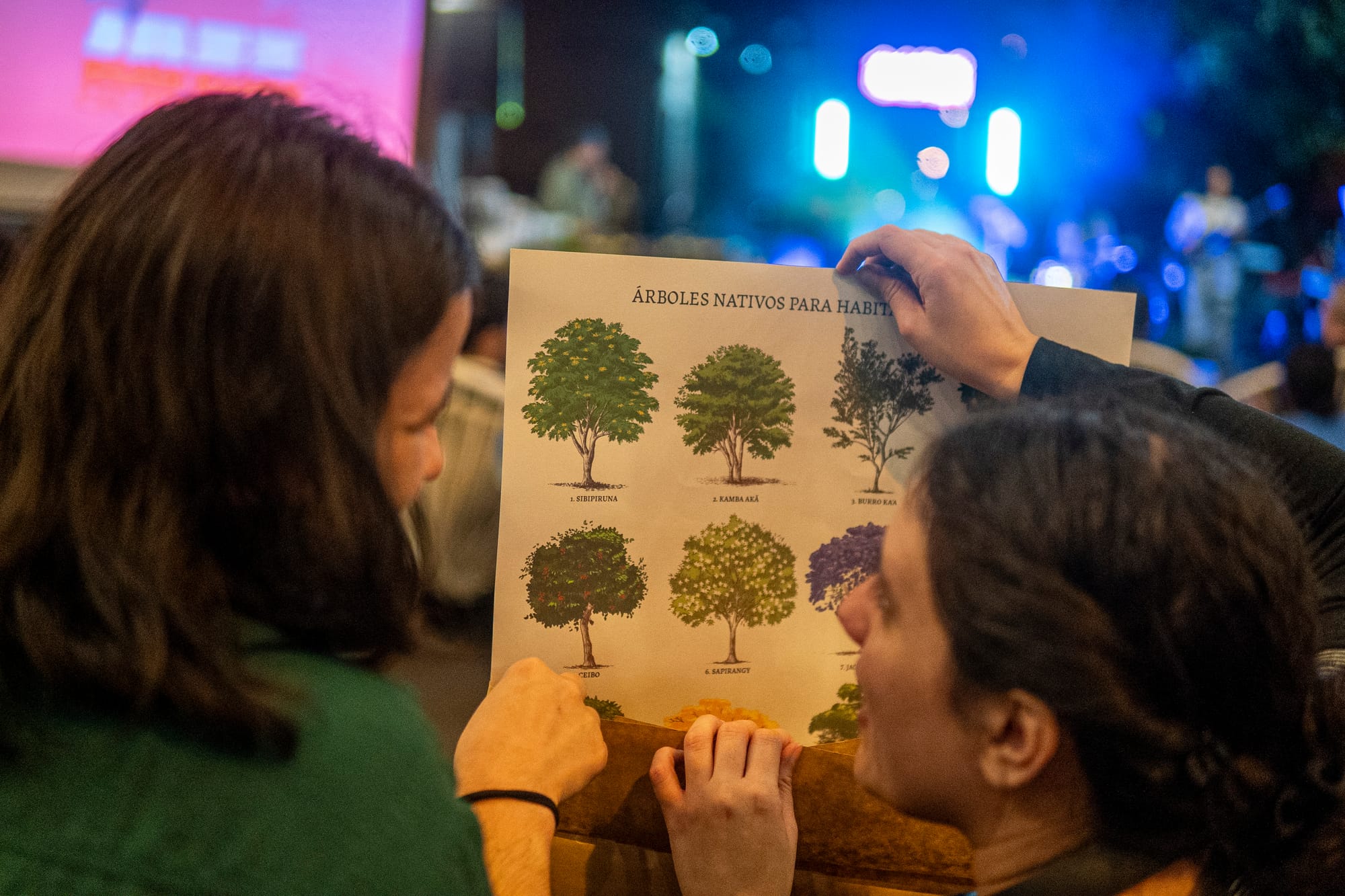
Juliana Quintana, lead reporter of this edition, didn’t just report on the problem. She included a solution: a scientific guide to native trees that residents could plant to cool their surroundings, create shade, and beautify their neighborhoods. Unsurprisingly, the tree guide became our most engaging piece on social media and it drove an increase in subscriptions unlike anything we’d seen in months.
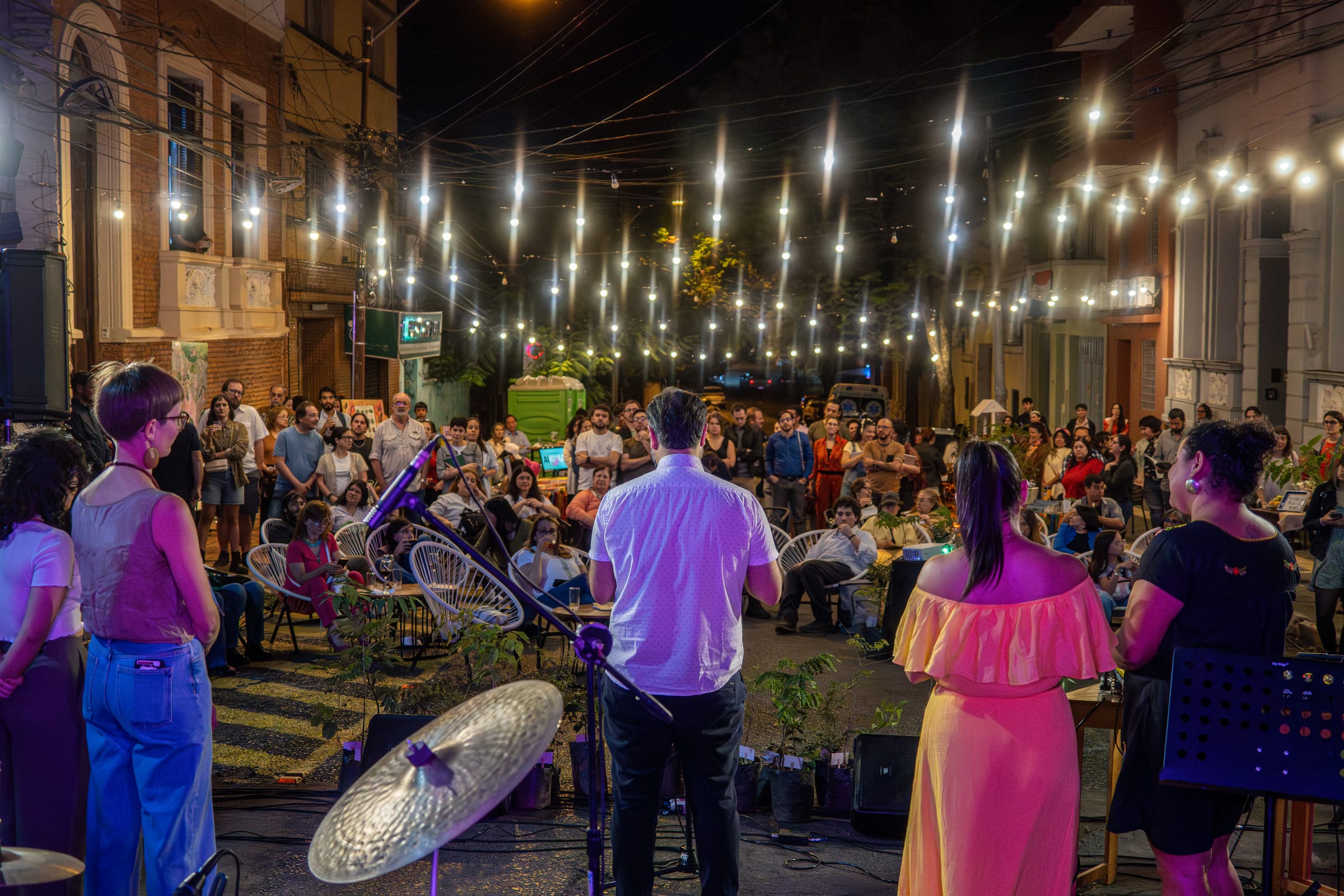
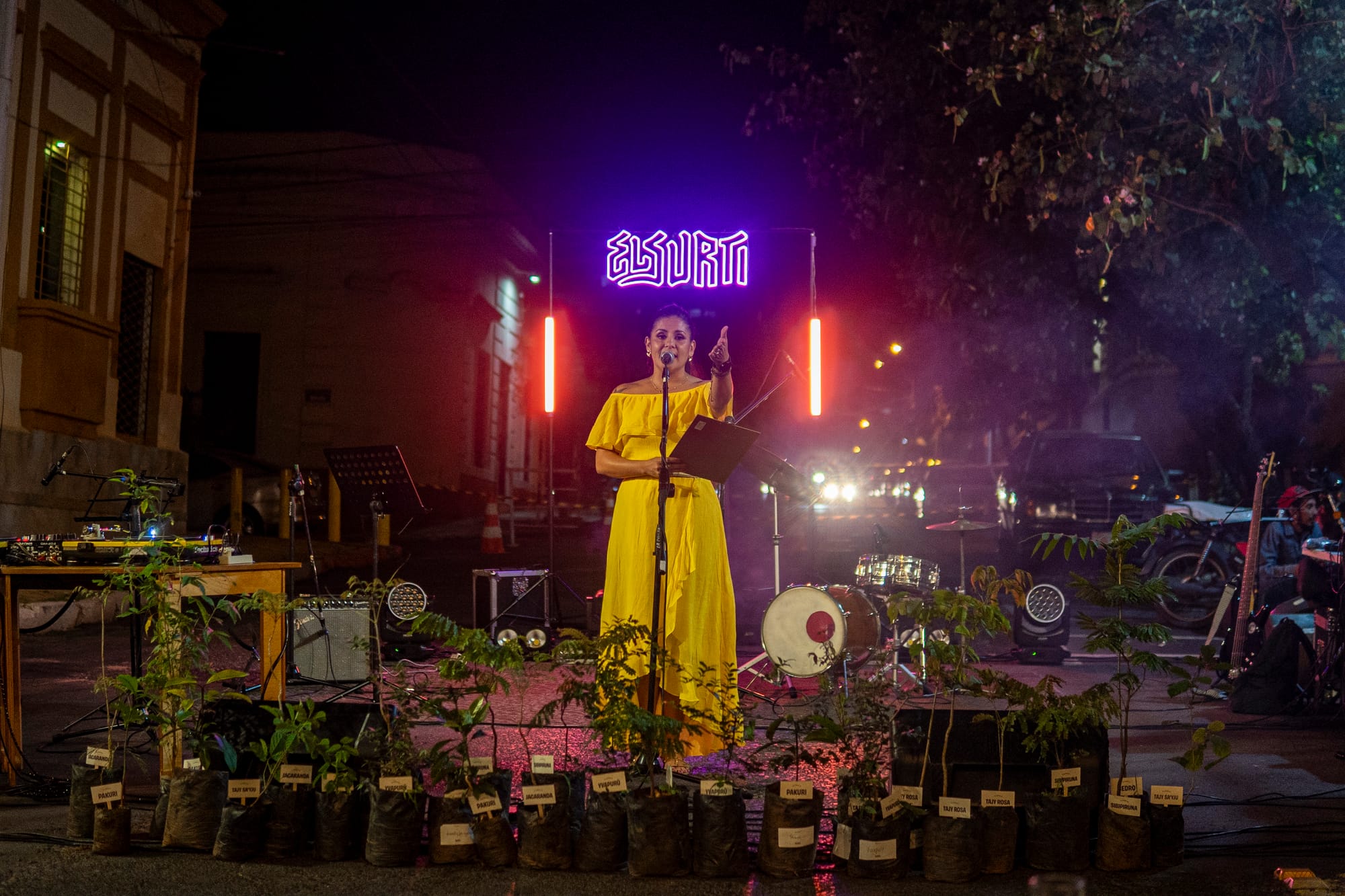
Even though the post already listed several native species, people still wanted the print magazine. They also repeatedly asked where they could buy or find the seedlings. So, during Floralia, a climate journalism festival we organized and that coincided with the arrival of spring, we decided to meet the interest head-on: we offered free saplings with each new monthly or yearly subscription.
With permission of the Municipality, we closed the street in front of our newsroom to traffic and lined it with small trees, inadvertently turning the space into a small green corridor. It worked. People showed up and subscriptions rose again. By the end of this year, we could reach the first benchmark with a high degree of confidence.
I’m energized with the chance of seizing these opportunities many times again and serving people with the changes they need. Each opportunity will bring us closer to a model of journalism that is, I believe, both enduring and rewarding for everyone involved.
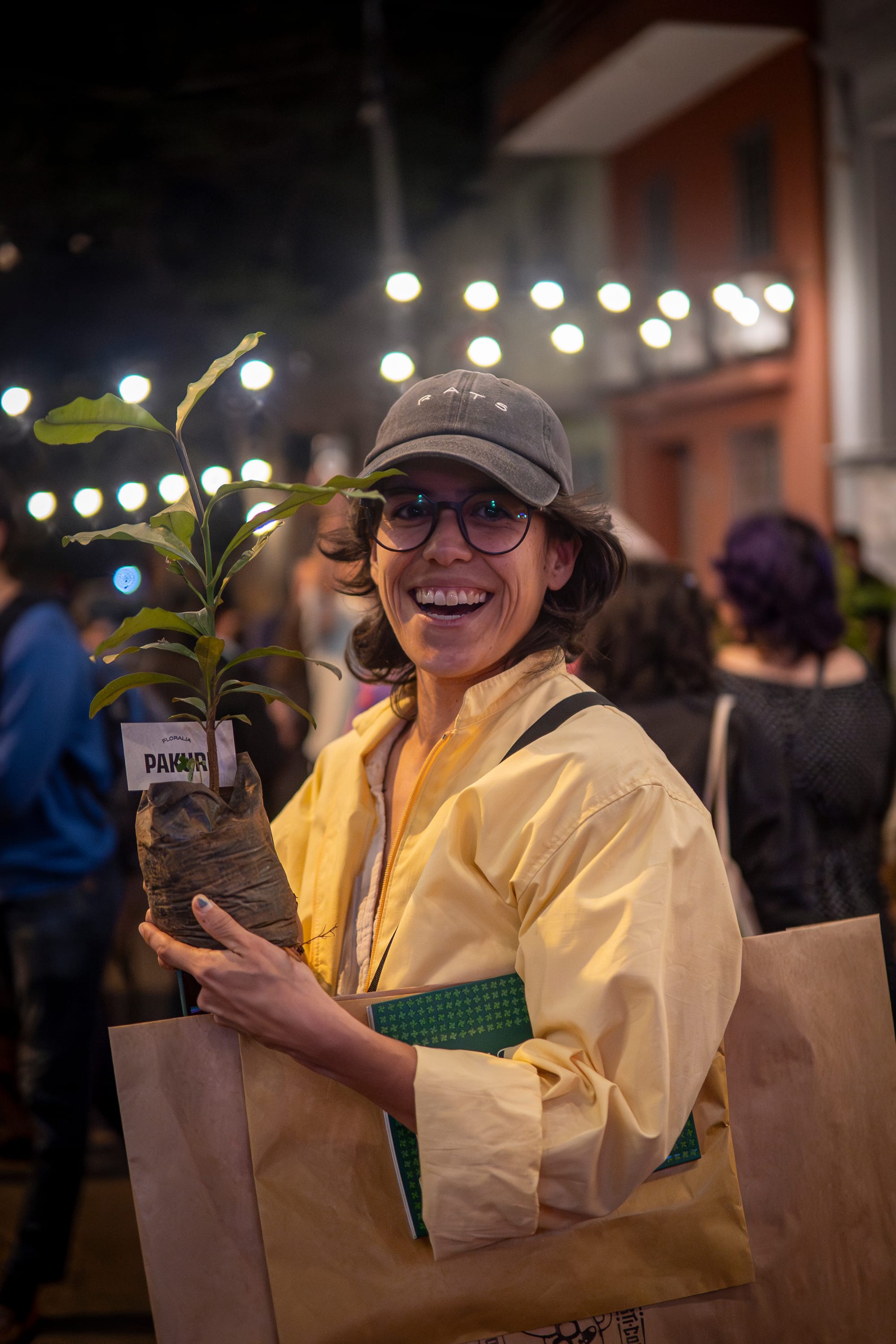
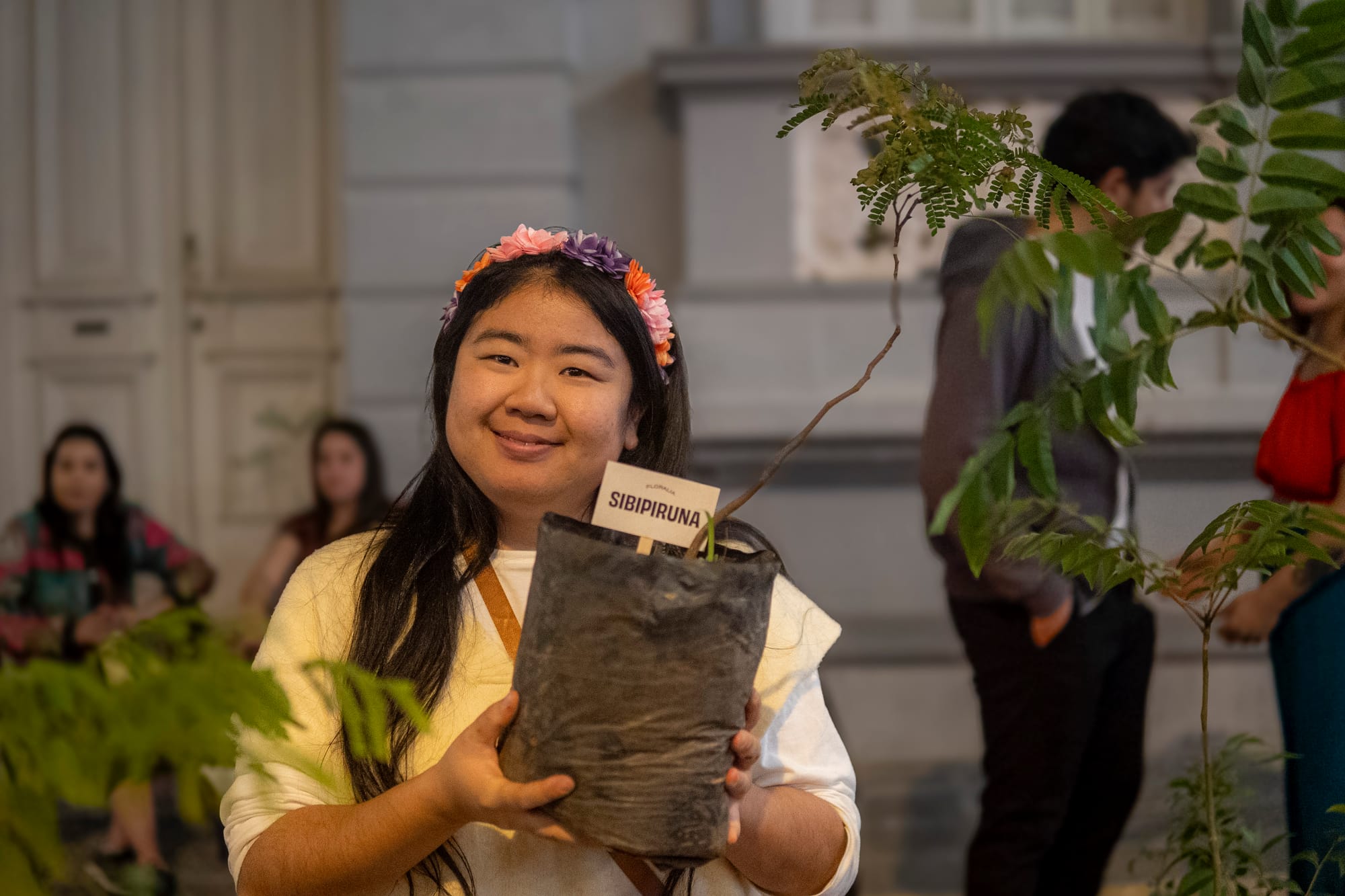

But what leaves me most fulfilled is a realization I had after the festival. People began tagging us on Instagram, sharing photos of their native saplings sitting in their backyards with expressions of gratitude. One of them wrote: “Thank you, El Surti, for giving us the opportunity to do our small part. We will take care of them with all our love.”
It’s hard to find the right words to describe what it means that decades from now, people may look at these trees and remember we helped plant them.
Powerful, perhaps, is the right word.